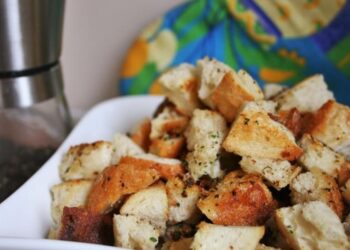
The Jerusalem artichoke, commonly known in the United States as sunchoke, is a nutrient-dense root vegetable that has gained renewed attention for its health benefits, digestive support, and blood sugar–friendly properties. Despite its misleading name, Jerusalem artichoke is neither related to Jerusalem nor to globe artichokes. Instead, it is a species of sunflower with edible underground tubers.
This comprehensive guide explores the nutritional value, health benefits, cultivation methods, culinary uses, and the important role Jerusalem artichoke may play in diabetes-friendly diets, making it a valuable addition to modern health-conscious eating patterns.
What Is Jerusalem Artichoke (Sunchoke)?
Jerusalem artichoke (Helianthus tuberosus) is a perennial plant native to North America. It produces tall stalks with yellow, sunflower-like flowers and irregularly shaped tubers beneath the soil.
Scientific name: Helianthus tuberosus
Common US name: Sunchoke
Plant family: Sunflower (Asteraceae)
Edible part: Underground tubers
The tubers have a mildly sweet, nutty flavor and a crisp texture when raw, becoming creamy and smooth when cooked.
Jerusalem artichoke, commonly known in the United States as sunchoke. Despite its name, it is neither from Jerusalem nor a true artichoke. The plant is native to North America and has been cultivated for centuries by Indigenous peoples for both food and medicinal purposes. Today, the Jerusalem artichoke is gaining renewed popularity due to its nutritional value, resilience in cultivation, and particular benefits for people seeking low-glycemic, gut-friendly foods.
The edible part of the plant is its underground tuber, which resembles ginger root in shape and texture. It has a mildly sweet, nutty flavor when raw and a richer, chestnut-like taste when cooked. Because of its unique carbohydrate profile, Jerusalem artichoke is often recommended in health-conscious and functional nutrition diets.
History and Traditional Use in North America
Sunchokes were cultivated by Indigenous peoples of North America long before European settlement. They were valued for their reliability, cold tolerance, and high yield, especially during harsh winters. Early European settlers adopted the crop, and it later spread to Europe in the 17th century.
In modern times, Jerusalem artichoke is regaining popularity due to increased interest in gut health, prebiotic foods, low-glycemic diets, and sustainable, resilient crops suited to changing climates.
Nutritional Value of Jerusalem Artichoke
One of the most distinctive features of Jerusalem artichoke is its unique carbohydrate composition, which sets it apart from most root vegetables.
Macronutrients and Calories
Low fat
Moderate carbohydrates
High dietary fiber
Relatively low calorie density
Unlike potatoes, sunchokes store carbohydrates primarily as inulin, not starch, which significantly influences their metabolic effects.
Vitamins, Minerals, and Fiber Content
Jerusalem artichoke provides a broad range of essential nutrients, including:
Potassium
Magnesium
Iron
Phosphorus
Vitamin C
B-complex vitamins (B1, B2, B3, B6)
Its high fiber content, especially inulin, plays a central role in many of its documented health benefits.
Health Benefits of Jerusalem Artichoke
Digestive Health and Gut Microbiome Support
Inulin is a prebiotic fiber, meaning it nourishes beneficial gut bacteria rather than being digested in the small intestine. This fermentation process may help:
Support healthy digestion
Improve bowel regularity
Promote a balanced gut microbiome
Support immune health through gut function
Gradual dietary introduction is recommended to allow digestive adaptation.
Heart Health and Blood Pressure Support
Jerusalem artichoke is naturally rich in potassium, a mineral that supports normal blood pressure regulation. When consumed regularly as part of a whole-food diet, its fiber content may also support healthy cholesterol balance and cardiovascular wellness.
Weight Management and Satiety
Due to its high fiber content and low energy density, sunchoke promotes fullness and prolonged satiety. This may help reduce overall calorie intake and support sustainable weight management strategies.
Jerusalem Artichoke and Diabetes: Blood Sugar-Friendly Nutrition
Why Sunchoke Is Considered Diabetes-Friendly
Jerusalem artichoke is widely regarded as a diabetes-friendly root vegetable due to its low glycemic impact. Because its carbohydrates are largely stored as inulin, it does not cause rapid blood sugar spikes typical of starchy foods.
Key reasons it is commonly included in diabetes-conscious diets:
Low glycemic index
Reduced post-meal blood sugar fluctuations
Supports balanced insulin response
High fiber content slows carbohydrate absorption
Inulin and Blood Sugar Support
Inulin may help support stable blood sugar levels by slowing digestion and influencing gut bacteria associated with improved glucose metabolism. While Jerusalem artichoke is not a treatment for diabetes, it is widely considered a suitable food choice for individuals managing:
Type 2 diabetes
Insulin resistance
Prediabetes
Dietary response may vary depending on individual tolerance and overall diet composition.
Best Ways to Eat Jerusalem Artichoke for Diabetes
For blood sugar–friendly meals, the following preparation methods are recommended:
Steamed or boiled
Lightly roasted with minimal added fat
Boiled and cooled (may enhance resistant fiber effects)
Raw in small portions, finely sliced or grated
Highly processed preparations or deep frying should be avoided.
Portion Size and Digestive Tolerance
Because of its high inulin content, excessive intake may cause bloating or gas, especially in individuals unaccustomed to prebiotic fibers.
Suggested starting portion:
Approximately 50–70 grams per serving, gradually increased as tolerance improves.

How to Grow Jerusalem Artichoke at Home
Jerusalem artichoke is considered a low-maintenance, hardy plant, making it ideal for home gardens and small-scale cultivation.
Soil, Sunlight, and Climate Needs
Prefers loose, well-drained soil
Thrives in full sun
Tolerates cold temperatures and drought
Suitable for most US growing zones
- pH between 5.5 and 7.5
It can grow even in poor soils, making it an excellent choice for low-input or regenerative gardening.
Planting, Maintenance, and Harvesting
Tubers are planted in early spring at a depth of 4–6 inches. Once established, the plant requires minimal care. Harvesting typically occurs in late fall after the foliage dies back, though tubers can remain in the ground over winter.
Plant tubers 4–6 inches deep
Space plants 12–18 inches apart
Water moderately; drought-tolerant once established
Can reach heights of 6–10 feet
Harvesting and Storage
Tubers are harvested in late fall after the first frost, which improves sweetness by converting some inulin to fructose.
Storage tips:
Best stored in the ground and harvested as needed
Refrigerate harvested tubers in perforated bags
Short shelf life compared to potatoes
Culinary Uses and Cooking Ideas
Jerusalem artichoke is highly versatile and adaptable to many cooking styles.
Creamy soups and purées
Crispy sunchoke chips
Raw additions to salads
Cooking improves digestibility and enhances flavor.
Possible Side Effects and Considerations
The most common side effect is increased gas production due to inulin fermentation. This typically decreases as the digestive system adapts. Individuals with severe digestive sensitivity or those following low-FODMAP diets should consult a healthcare professional.
Conclusion: Why Jerusalem Artichoke Deserves a Place in Your Diet
Jerusalem artichoke is a nutrient-dense, diabetes-friendly, and environmentally resilient food that aligns well with modern dietary trends focused on gut health and metabolic balance. Its unique carbohydrate structure, combined with culinary versatility and ease of cultivation, makes it an excellent alternative to traditional starchy vegetables.
For individuals managing blood sugar levels, improving digestive health, or seeking sustainable food sources, Jerusalem artichoke offers scientifically supported benefits worth considering as part of a balanced, whole-food diet.