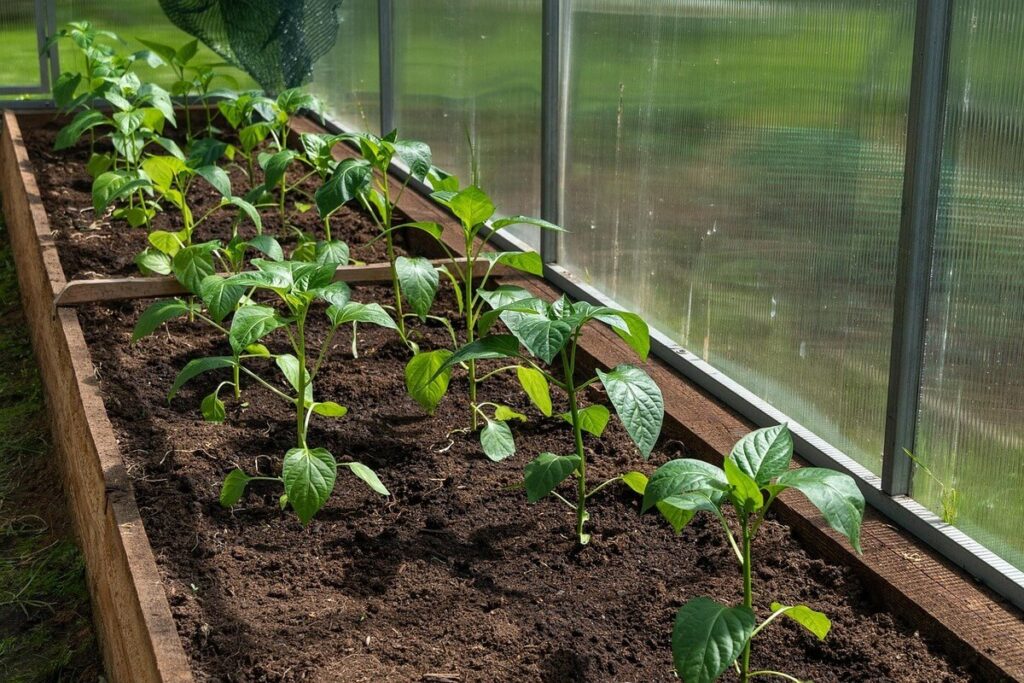
Growing pepper seedlings at home is one of the most rewarding gardening projects, whether you are a beginner or an experienced gardener. Peppers (Capsicum annuum and related species) are warm-season plants that benefit greatly from early indoor seed starting. By controlling temperature, moisture, and soil quality, you can grow strong, healthy pepper seedlings that will later produce abundant yields.
This guide covers everything you need to know about home-grown pepper seedlings, including seed germination using the paper towel method, ideal soil composition, temperature requirements, lighting, and transplanting.
If you’re growing your own peppers, don’t miss our guide on the health benefits of peppers and discover why they’re worth adding to your meals. Click here to read more.
When to Start Pepper Seeds Indoors
Pepper seeds should be started indoors 8–10 weeks before the last expected frost date in your region. Because peppers germinate and grow slowly at first, early indoor sowing gives them a significant head start.
For most temperate climates:
Late January to early March is ideal for indoor pepper seed starting.
Hot pepper varieties may take longer to germinate than sweet peppers.
Starting too early without adequate light can result in weak, leggy seedlings, so timing and conditions are crucial.
Pepper Seed Germination Using the Paper Towel Method
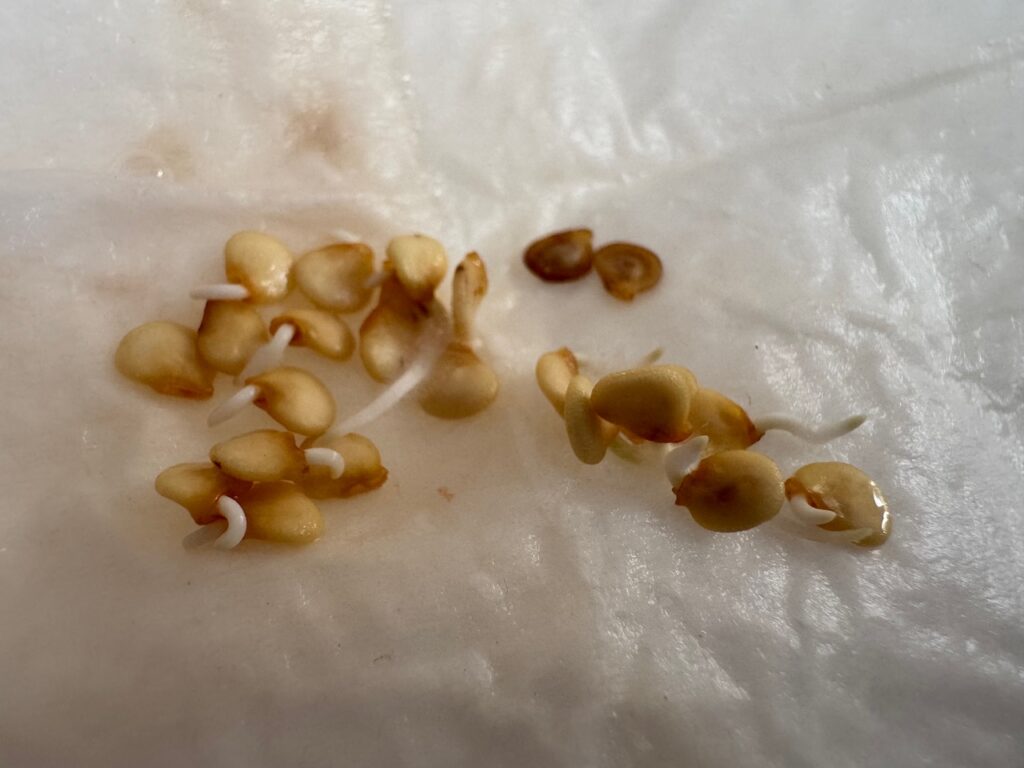
One of the most reliable ways to germinate pepper seeds is the paper towel germination method. This technique allows you to monitor seed viability before planting them into soil.
How to Germinate Pepper Seeds in a Paper Towel
Moisten a paper towel with clean water (it should be damp, not dripping).
Place pepper seeds evenly on the towel.
Fold the towel over the seeds and place it in a plastic bag or container.
Leave the bag slightly open for air exchange.
Store it in a warm place.
Ideal Conditions for Germination
Temperature: 25–30°C (77–86°F)
Light: Not required during germination
Time: 5–14 days, depending on variety
Check daily to ensure the towel remains moist. Once the seeds sprout and small white roots appear, they are ready for planting.
Choosing the Best Soil for Pepper Seedlings
Pepper seedlings require a light, well-draining, sterile growing medium. Garden soil is not suitable for seed starting, as it is too dense and may contain pathogens.
Ideal Soil Characteristics
Fine texture
Good moisture retention
Excellent drainage
Slightly acidic to neutral pH (6.0–6.8)
Recommended Seed Starting Mix
A quality seed starting mix typically contains:
Peat moss or coco coir
Perlite or vermiculite
No added fertilizer (young seedlings do not need strong nutrients)
Once seedlings develop their first true leaves, mild fertilization can begin.
Planting Germinated Pepper Seeds
After germination, carefully transfer the sprouted seeds into containers filled with seed starting mix.
Planting Depth
Plant seeds 0.5–1 cm (¼ inch) deep
Place the root downward if visible
Containers
Seed trays
Small pots
Recycled containers with drainage holes
Gently firm the soil and water lightly to settle the seed.
Temperature Requirements for Healthy Pepper Seedlings
Temperature is one of the most important factors in pepper seedling success.
Optimal Temperature Range
Day: 22–26°C (72–79°F)
Night: 18–20°C (64–68°F)
Below 15°C (59°F), growth slows significantly. Cold soil can stunt or damage seedlings permanently.
Using a seedling heat mat can dramatically improve early growth, especially in cooler rooms.
Light Requirements: Preventing Leggy Seedlings
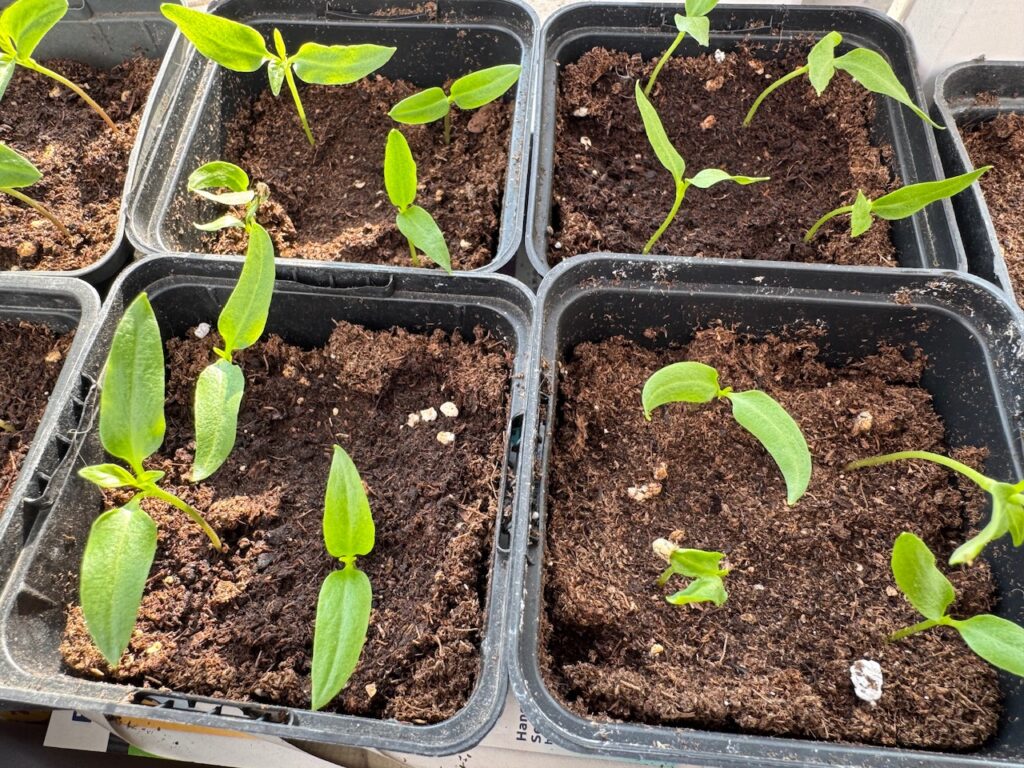
Pepper seedlings require strong, consistent light as soon as they emerge.
Light Guidelines
12–16 hours of light per day
Grow lights placed 5–10 cm (2–4 inches) above seedlings
South-facing window alone is usually insufficient
Insufficient light causes seedlings to stretch, resulting in weak stems and poor future yields.
Watering Pepper Seedlings Correctly
Overwatering is a common mistake when growing pepper seedlings indoors.
Best Watering Practices
Keep soil moist, not wet
Water from the bottom when possible
Allow the surface to dry slightly between waterings
Poor drainage or constantly wet soil can lead to damping-off disease.
Fertilizing Young Pepper Plants
Pepper seedlings do not need fertilizer until they develop 2–3 sets of true leaves.
Fertilizer Recommendations
Use a diluted liquid fertilizer (¼ strength)
Balanced NPK ratio (e.g., 10-10-10 or organic equivalent)
Apply every 10–14 days
Too much fertilizer can burn young roots and slow growth.
Transplanting and Potting Up
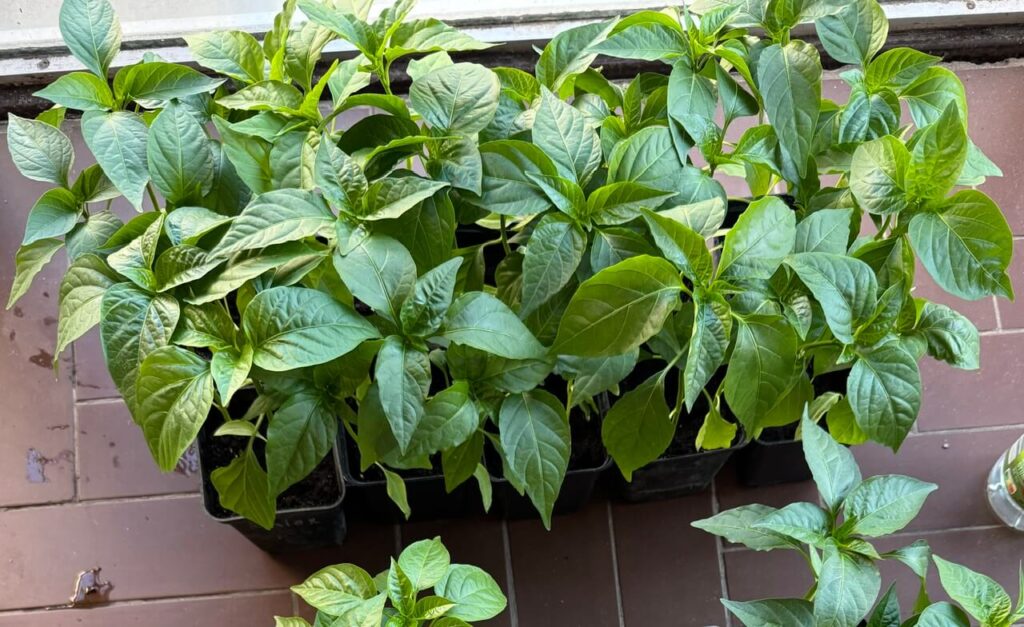
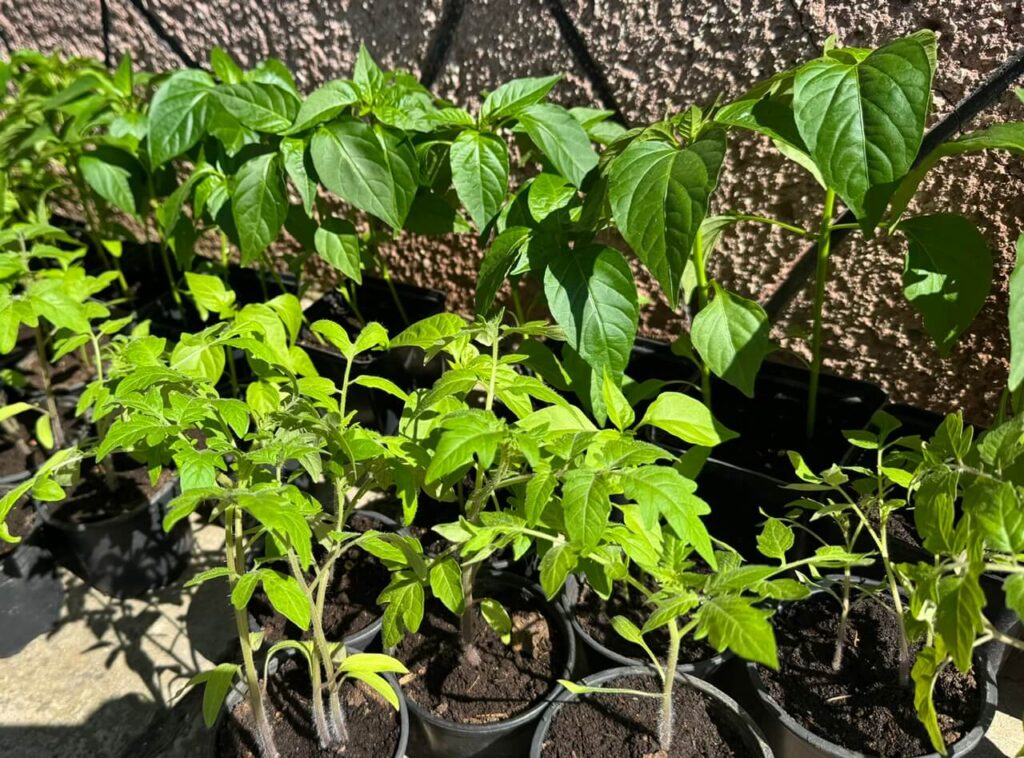
Once seedlings outgrow their initial containers, they should be transplanted into larger pots.
Signs Seedlings Are Ready
Strong central stem
Several true leaves
Roots visible at drainage holes
When transplanting, you can bury pepper seedlings slightly deeper, but not as deep as tomatoes.
Hardening Off Before Outdoor Planting
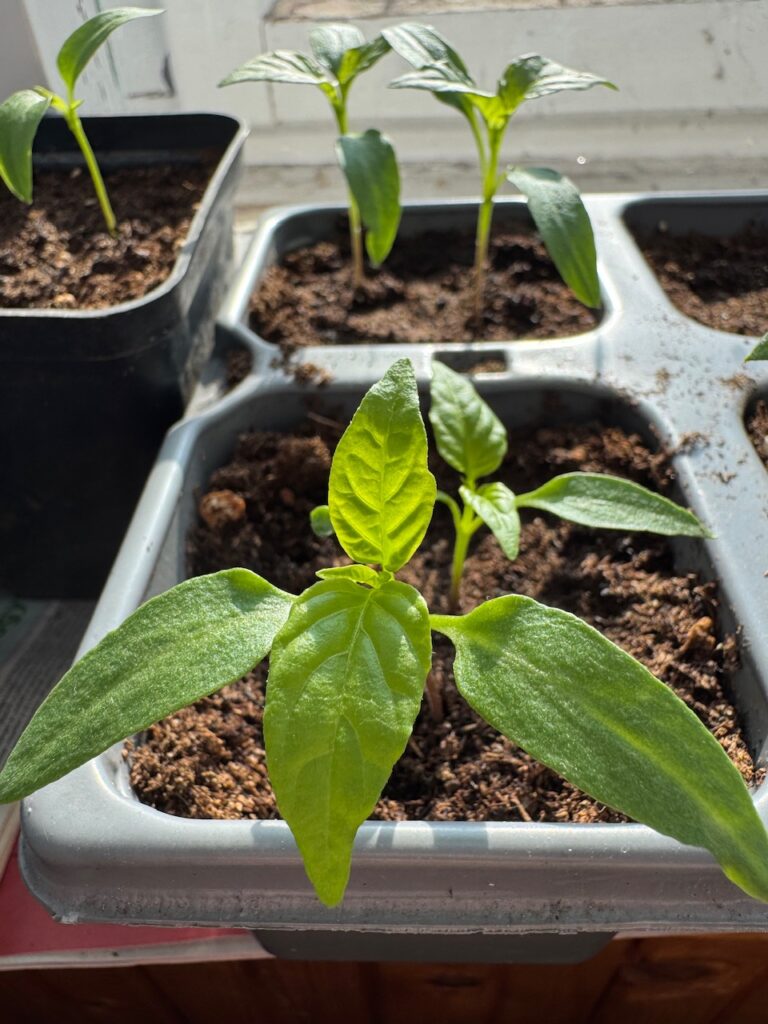
Before planting outdoors, pepper seedlings must be hardened off.
Hardening Off Process
Begin 7–10 days before transplanting
Gradually expose plants to outdoor conditions
Avoid wind and direct sun initially
Outdoor planting should only occur when:
Night temperatures stay above 12–14°C (54–57°F)
Soil temperature is at least 15°C (59°F)
Common Problems When Growing Pepper Seedlings
Slow Germination
Temperature too low
Old or low-quality seeds
Yellow Leaves
Overwatering
Nutrient deficiency
Weak Stems
Insufficient light
Overcrowding
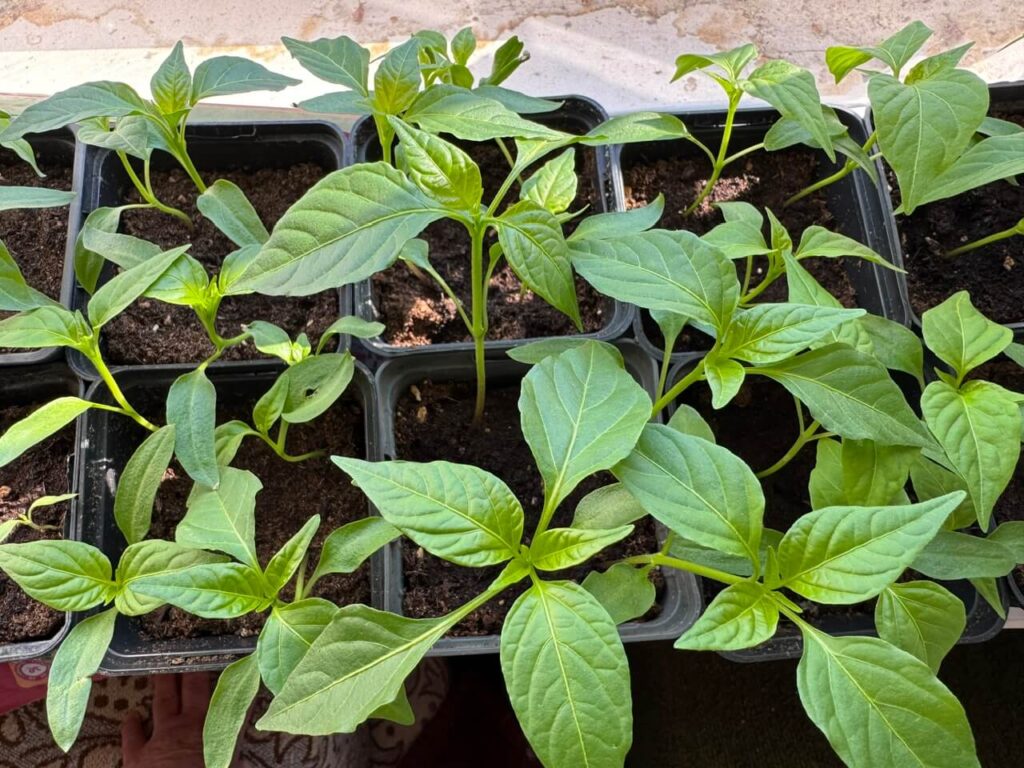
Early correction ensures healthy adult plants and higher yields.
Final Thoughts on Home-Grown Pepper Seedlings
Growing pepper seedlings at home allows full control over plant health from day one. Using the paper towel germination method increases success rates, while proper soil, warmth, and light ensure strong early growth.
With patience and attention to detail, home-grown pepper plants reward you with vigorous growth, better disease resistance, and superior harvest quality compared to store-bought seedlings.