As summer fades and the days become shorter, the garden doesn’t have to lose its color. Some of the most beautiful flowers begin their display just as autumn arrives, bringing shades of pink, purple, yellow, and burgundy to flower beds.
Choosing the right fall blooming flowers can keep your garden colorful well into October. From elegant Japanese anemones to vibrant chrysanthemums, these four autumn flowering perennials are wonderful choices for extending the gardening season.
Japanese Anemone (Anemone hupehensis)
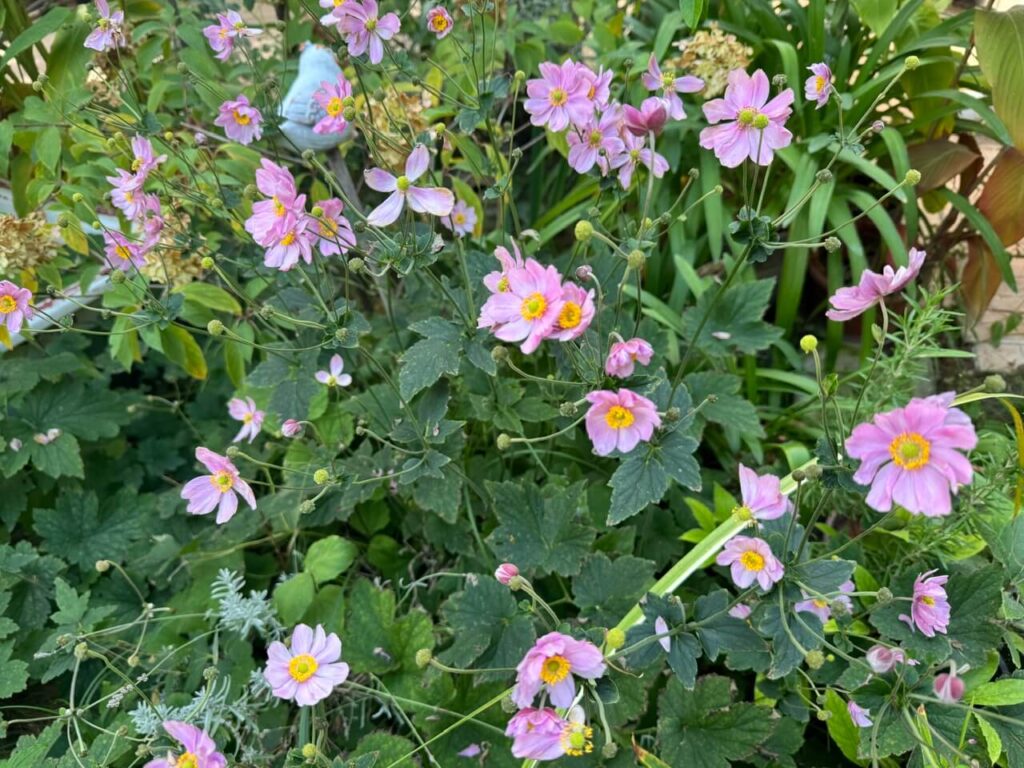
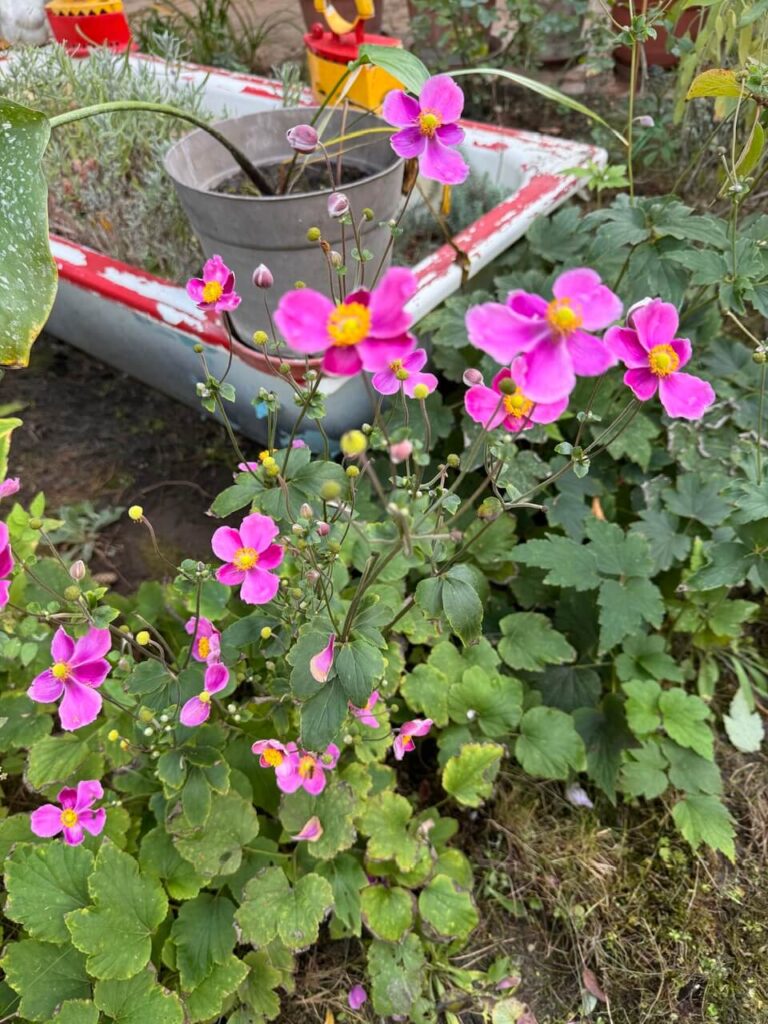
Japanese anemones, also known as Chinese anemones or windflowers, are among the most graceful flowers in the autumn garden. Their delicate pink or white petals surround golden-yellow centers, creating a beautiful contrast against dark green foliage.
These perennials typically bloom from late August through October, depending on the variety and weather conditions. Their tall, slender stems move gently in the breeze, adding a natural, romantic appearance to flower borders.
Growing Tips
Sunlight: Partial shade, although they tolerate morning sun.
Soil: Fertile, well-drained soil that retains some moisture.
Watering: Keep the soil consistently moist during dry periods.
Height: Approximately 60–120 cm (2–4 feet).
Hardiness: Many varieties thrive in USDA zones 4–8.
Japanese anemones are particularly attractive beneath deciduous trees or alongside shrubs, where they receive protection from intense afternoon sunshine.
Garden tip: Once established, Japanese anemones can spread through underground roots. Give them enough space to develop, especially in smaller gardens.
Chrysanthemums (Chrysanthemum × morifolium)
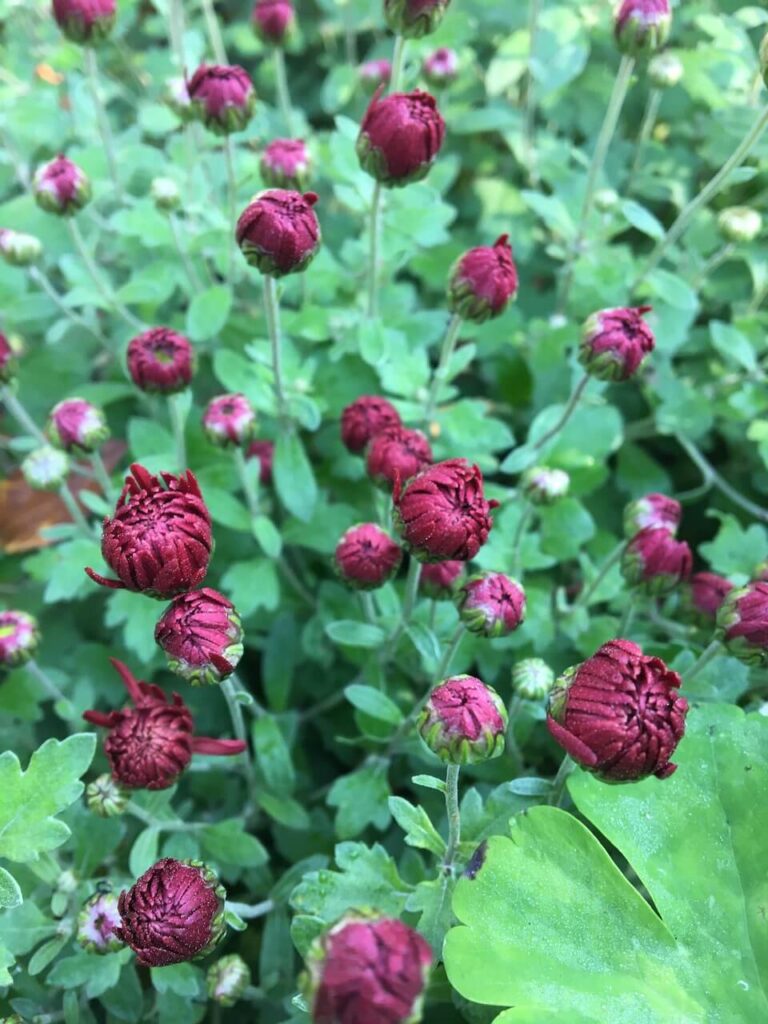
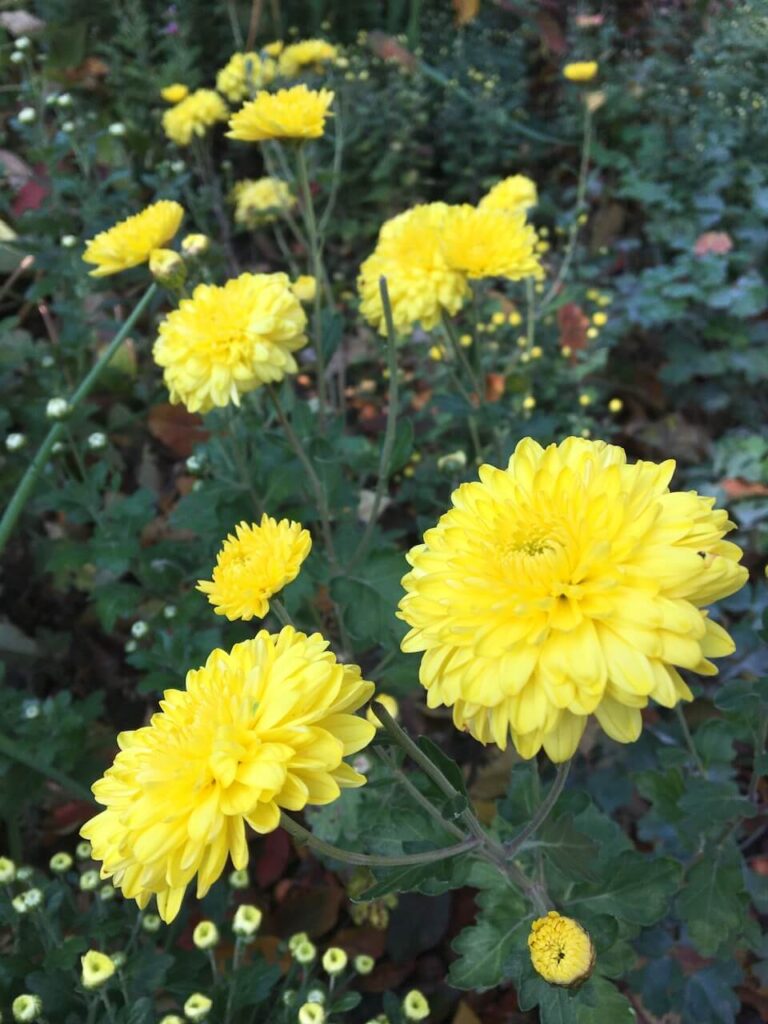
Chrysanthemums, commonly called mums, are perhaps the most recognizable October blooming flowers. Their abundant blooms come in shades of yellow, orange, bronze, red, pink, purple, and white.
These traditional autumn flowers are perfect for adding seasonal color to garden borders, patios, and decorative containers.
Most garden chrysanthemums bloom from September through October, although some varieties continue flowering into November in milder climates.
Growing Tips
Sunlight: Full sun, ideally six hours or more daily.
Soil: Fertile, well-drained garden soil.
Watering: Water regularly, avoiding waterlogged conditions.
Height: Usually 30–90 cm (1–3 feet).
Hardiness: Depends on the cultivar; hardy garden mums are better suited to overwintering outdoors.
To encourage compact growth and abundant flowers, pinch back the growing tips during spring and early summer. Stop pinching by midsummer to allow flower buds to form.
Garden tip: If you want chrysanthemums to survive winter and bloom again next year, plant hardy varieties in spring rather than waiting until autumn. This gives their roots enough time to establish.
New England Aster (Symphyotrichum novae-angliae)
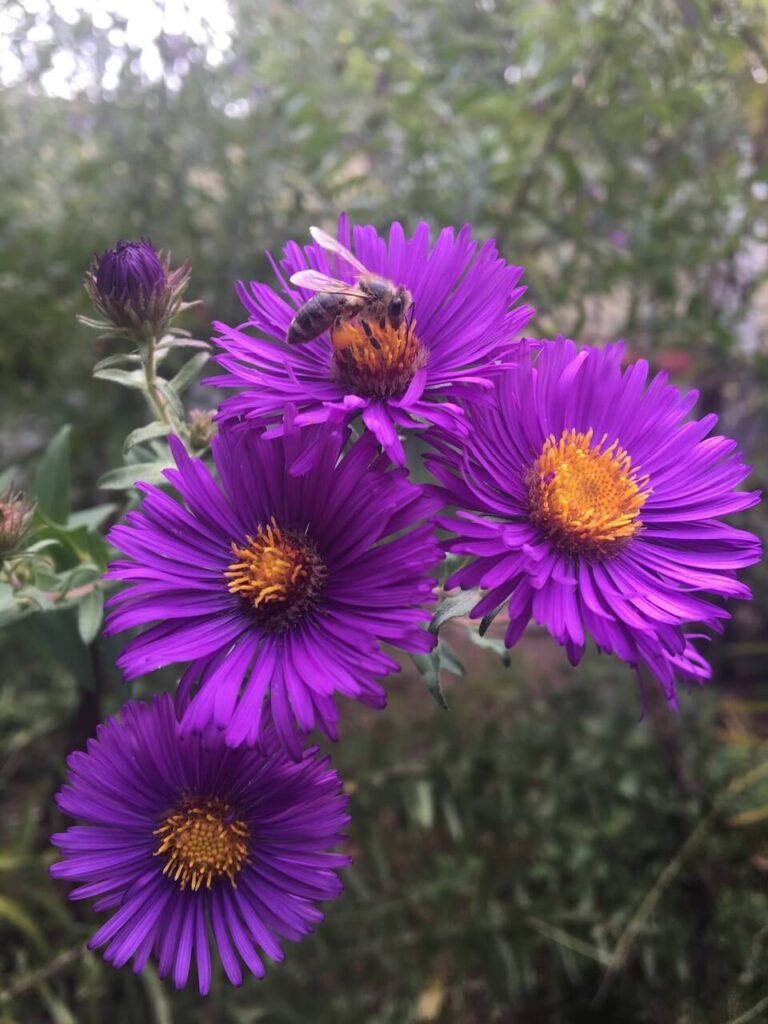
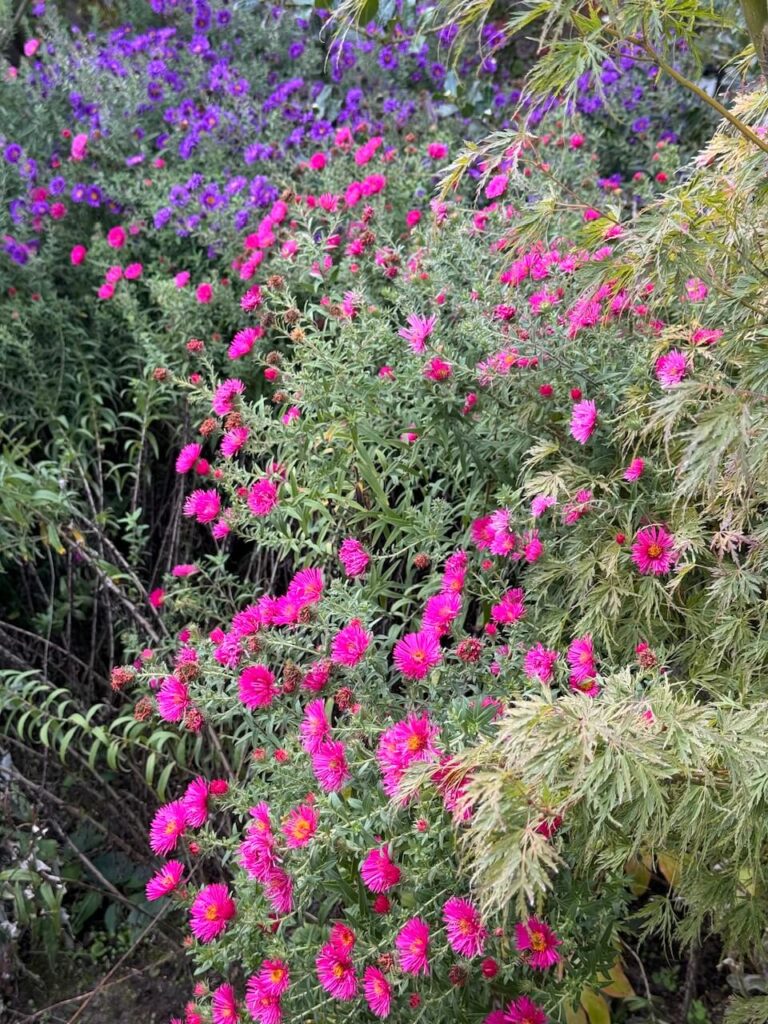
New England asters, formerly classified as Aster novae-angliae, are spectacular late-season perennials. Their masses of purple, violet, or pink daisy-like flowers feature bright yellow-orange centers.
They usually flower from late summer through October, making them excellent September and October flowers for sunny garden borders.
One of their greatest advantages is their value to wildlife. New England asters provide nectar and pollen for bees, butterflies, and other pollinators when many summer flowers have already disappeared.
Growing Tips
Sunlight: Full sun for abundant flowering.
Soil: Moist but well-drained soil; tolerates heavier clay soils.
Watering: Provide additional water during prolonged drought.
Height: Approximately 90–180 cm (3–6 feet), depending on the variety.
Hardiness: Generally USDA zones 4–8.
Tall varieties make beautiful background plants, while compact cultivars work well in smaller flower beds.
Good air circulation helps prevent powdery mildew, which can sometimes affect asters late in the season.
Garden tip: Pinching back the stems in late spring encourages bushier growth and can reduce the need for staking. Avoid cutting them back too late, as this may delay autumn flowering.
Autumn Crocus (Colchicum autumnale)
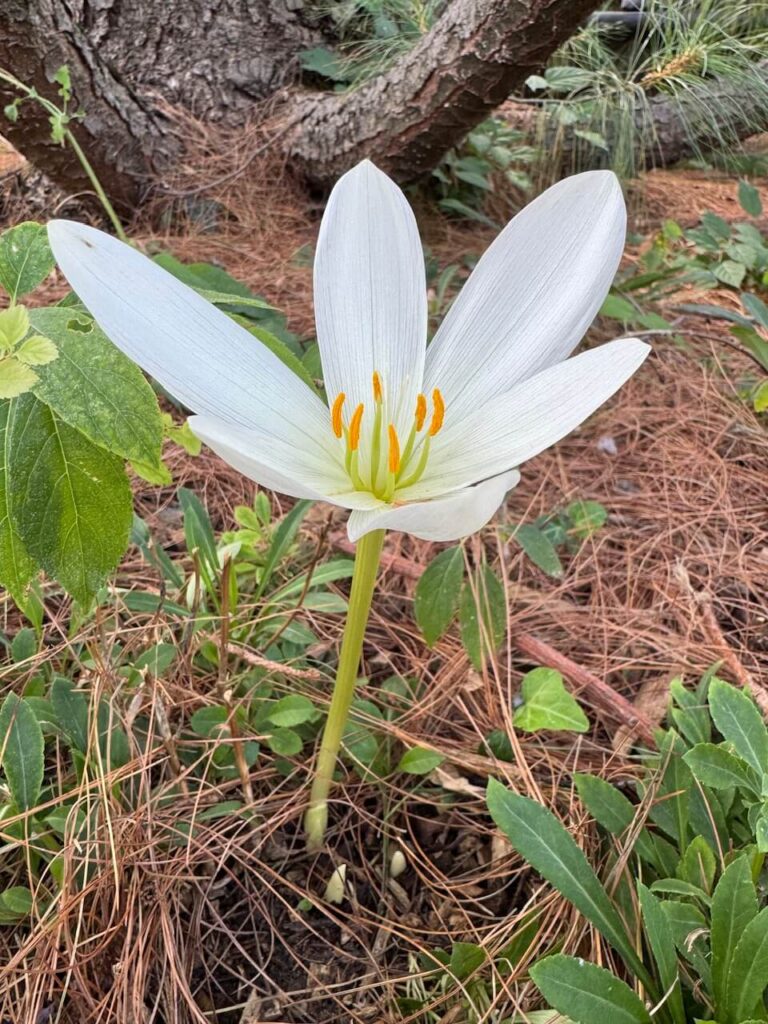
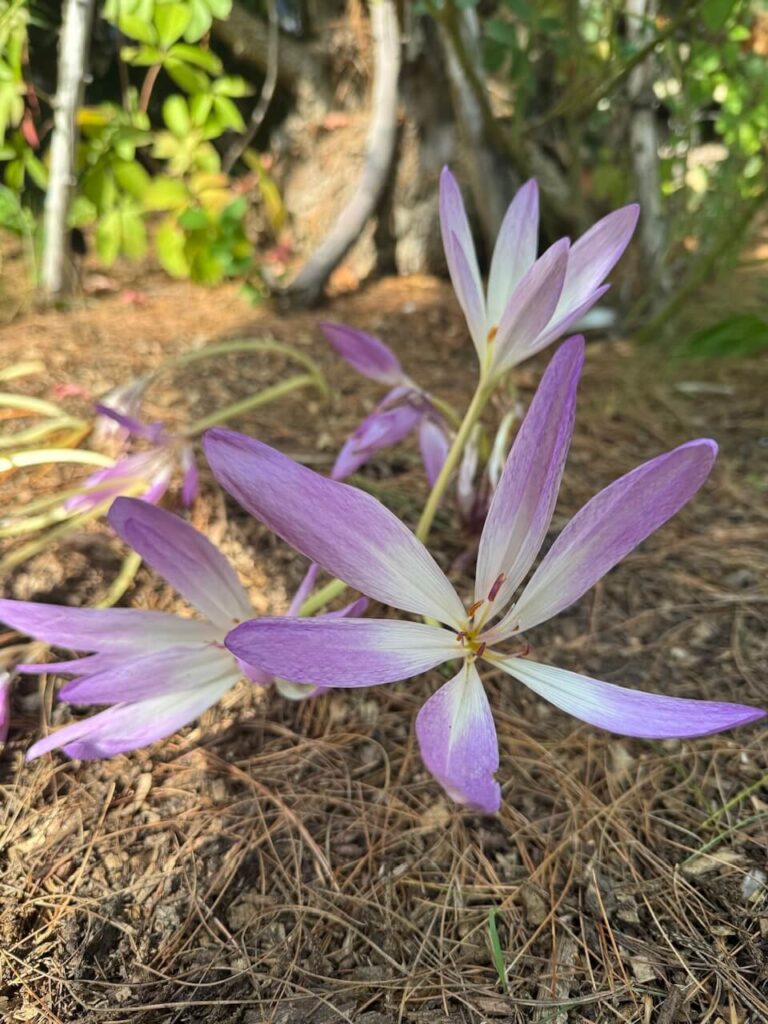
Autumn crocus, also called meadow saffron or naked lady, is one of the most unusual autumn flowering plants.
Unlike most perennials, Colchicum autumnale produces its leaves in spring, which disappear during summer. Then, in September or October, delicate pinkish-purple flowers emerge directly from the ground without any visible foliage.
This unusual growth pattern makes autumn crocus a fascinating addition to garden borders, lawns, and areas beneath deciduous trees.
Although its flowers resemble true crocuses, Colchicum autumnale belongs to a different botanical family.
Growing Tips
Sunlight: Full sun to partial shade.
Soil: Well-drained soil with moderate fertility.
Watering: Avoid excessive moisture and waterlogged soil.
Height: Approximately 10–20 cm (4–8 inches).
Hardiness: Generally USDA zones 4–8.
Plant the corms in late summer, following the recommended depth for the variety. Allow the spring foliage to die back naturally, as it stores energy for the following autumn’s flowers.
Important: All parts of Colchicum autumnale are highly poisonous. Never confuse it with edible saffron crocus (Crocus sativus), and avoid planting it where children or pets might ingest it.
How to Create a Colorful Fall Garden
The secret to a beautiful autumn garden is combining flowers with different heights, colors, and blooming periods.
Japanese anemones bring elegance to partially shaded areas, while chrysanthemums provide vibrant color in sunny borders and containers. New England asters add height and attract pollinators, and autumn crocus creates unexpected splashes of color close to the ground.
For a harmonious appearance, try combining soft pink flowers with deep purple asters and warm bronze chrysanthemums.
Remember to group plants according to their sunlight and watering requirements rather than simply their flower colors.